Does Vitamin C Brighten Your Skin?

Short answer: yes, vitamin C does help brighten skin—and there’s solid science behind it. This antioxidant powerhouse works by slowing down excess melanin production, which means fewer dark spots, more even tone, and a healthy-looking glow over time.

If dullness, uneven pigmentation, or post-acne marks are standing between you and your glow goals, you’re definitely not alone. Vitamin C is one of the most talked-about skincare ingredients for a reason—but knowing how it works (and how to use it right) makes all the difference.

In this guide, we break down everything you need to know: how vitamin C brightens skin, what benefits you can realistically expect, the best way to use it in your routine, and common myths worth skipping. No overpromises—just glow-boosting facts your skin will love.

What Is Vitamin C and How Does It Work on the Skin?


Vitamin C, also known as ascorbic acid, is a water-soluble nutrient essential for various bodily functions, including immune support and collagen production. In skincare, it’s prized for its antioxidant properties, which help neutralise free radicals—unstable molecules that can damage skin cells and accelerate ageing.

When applied topically, vitamin C penetrates the skin layers via specific transporters called SVCT1 and SVCT2. Higher concentrations are typically found in the epidermis (the outer layer) compared to the dermis beneath it. This distribution is key because the epidermis is where pigmentation issues often originate.

For brightening specifically, vitamin C works by inhibiting an enzyme called tyrosinase, which is involved in melanin synthesis—the pigment responsible for skin colour and dark spots. By reducing melanin production, it helps fade hyperpigmentation caused by sun exposure, acne scars, or hormonal changes like melasma. Additionally, vitamin C promotes cell turnover, sloughing off dull surface cells to reveal fresher skin underneath.

It’s worth noting that not all forms of vitamin C are equal. L-ascorbic acid is the most potent but can be unstable and irritating. Derivatives like magnesium ascorbyl phosphate or tetrahexyldecyl ascorbate offer better stability and gentler effects, though they may require conversion in the skin to become active.

The Benefits of Vitamin C for Skin Brightening

Vitamin C’s brightening capabilities extend beyond just lightening dark spots. Here’s a breakdown of its key advantages, supported by clinical evidence:

  • Reduces Hyperpigmentation: Studies indicate that topical vitamin C can improve dark spots in up to 73% of users, particularly when used consistently for several months. It blocks pigment production without altering your natural skin tone.

  • Enhances Overall Radiance: By boosting collagen synthesis—a protein that keeps skin firm and plump—vitamin C helps create a smoother texture that reflects light better, giving a “glowy” appearance. Research shows it can improve fine lines and wrinkles, contributing to a more youthful, even complexion.

  • Provides Antioxidant Protection: It combats oxidative stress from UV rays and pollution, which can otherwise lead to dullness and uneven tone. When combined with vitamin E or ferulic acid, its protective effects are enhanced.

  • Supports Wound Healing and Barrier Function: Vitamin C aids in repairing minor skin damage, strengthening the skin’s natural barrier to prevent moisture loss and maintain hydration for a brighter look.

In one review of clinical trials, long-term use of vitamin C was linked to depigmenting properties and improved photoaged skin. However, results vary based on formulation and individual skin type.

In one review of clinical trials, long-term use of vitamin C was linked to depigmenting properties and improved photoaged skin. However, results vary based on formulation and individual skin type.

How to Incorporate Vitamin C into Your Skincare Routine

Adding vitamin C is straightforward, but proper use maximises benefits. Here’s practical guidance:

Choose the Right Form: For brightening, look for serums with L-ascorbic acid at 10–20% in opaque packaging to prevent oxidation. Derivatives suit sensitive skin.

Application Tips: Apply after cleansing and toning, before moisturiser. Use 3–5 drops on clean, dry skin. Morning application pairs well with sunscreen for daytime protection; evening use aids overnight repair.

Frequency: Start every other day to assess tolerance, then daily. Combine with hydrators like hyaluronic acid for added comfort.

Sample Routine for Beginners:

  • Morning: Cleanser > Vitamin C serum > Moisturiser > SPF.

  • Evening: Cleanser > Treatment (e.g., niacinamide) > Moisturiser.

Storage and Shelf Life: Keep in a cool, dark place. Discard if it changes colour or smells off.

Dietary Boost: While topical is key, eat vitamin C-rich foods like oranges, strawberries, and peppers to support internal antioxidant levels.

Monitor your skin’s response and adjust as needed. If irritation persists, pause and seek advice.

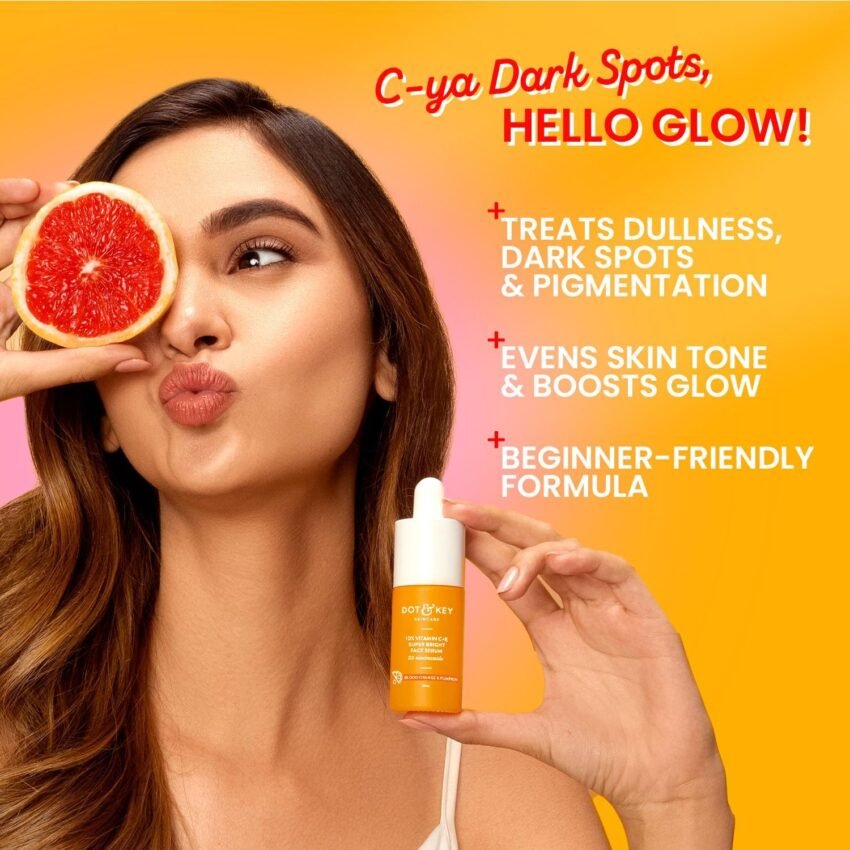
You can get all these benefits from our product, Dot & key Vitamin C + E Sorbet Super Bright Moisturizer For Face

Now our products are also available on Nykaa, Amazon, Flipkart, Myntra and, Purplle


Conclusion

In summary, vitamin C offers a science-backed way to brighten skin safely and effectively when used thoughtfully. By understanding its mechanisms and integrating it wisely, you can achieve a more radiant complexion. Remember, consistency and sun protection are your allies in any skincare journey. If concerns persist, a dermatologist can provide personalised advice.

FAQ


How Long Does It Take for Vitamin C to Brighten Skin?
Visible brightening can take 4–12 weeks with daily use, depending on concentration and skin type. Clinical studies show improvements in hyperpigmentation after three months.


Which Form of Vitamin C Is Best for Brightening Skin?
L-ascorbic acid is most effective for brightening due to its potency, but tetrahexyldecyl ascorbate is gentler and stable for sensitive skin.


Does Vitamin C Brighten Skin Permanently?
It can provide long-term improvements in tone if used consistently, but maintenance is key as new pigmentation can form without protection. It doesn’t alter your genetic skin colour.


Can Vitamin C Cause Skin Irritation?
Yes, especially high-strength formulas. Start low, patch-test, and layer with moisturiser to minimise stinging or dryness.


Is Vitamin C Good for All Skin Types?
Generally yes, but oily or acne-prone skin may prefer oil-free serums, while dry skin benefits from hydrating formulas.


Does Vitamin C Help with Dark Spots?
Absolutely—it reduces melanin production to fade spots over time, with evidence from trials showing significant improvements.